
Viruses of Microbes 2026: From Cairns to Prague
Viruses of Microbes 2026: From Cairns to Prague
Two years after Viruses of Microbes made its Australian debut in Cairns, the conference returned to Europe, bringing together researchers from around the world in the beautiful city of Prague, Czech Republic. From July 6–10, scientists gathered to share the latest advances in phages, archaeal viruses, and viruses of microbial eukaryotes, and once again, the Flinders Accelerator for Microbiome Exploration (FAME) was proud to be part of it.
FAME Takes the Stage
This year, FAME researchers showcased the breadth of our phage research through both oral presentations and posters.
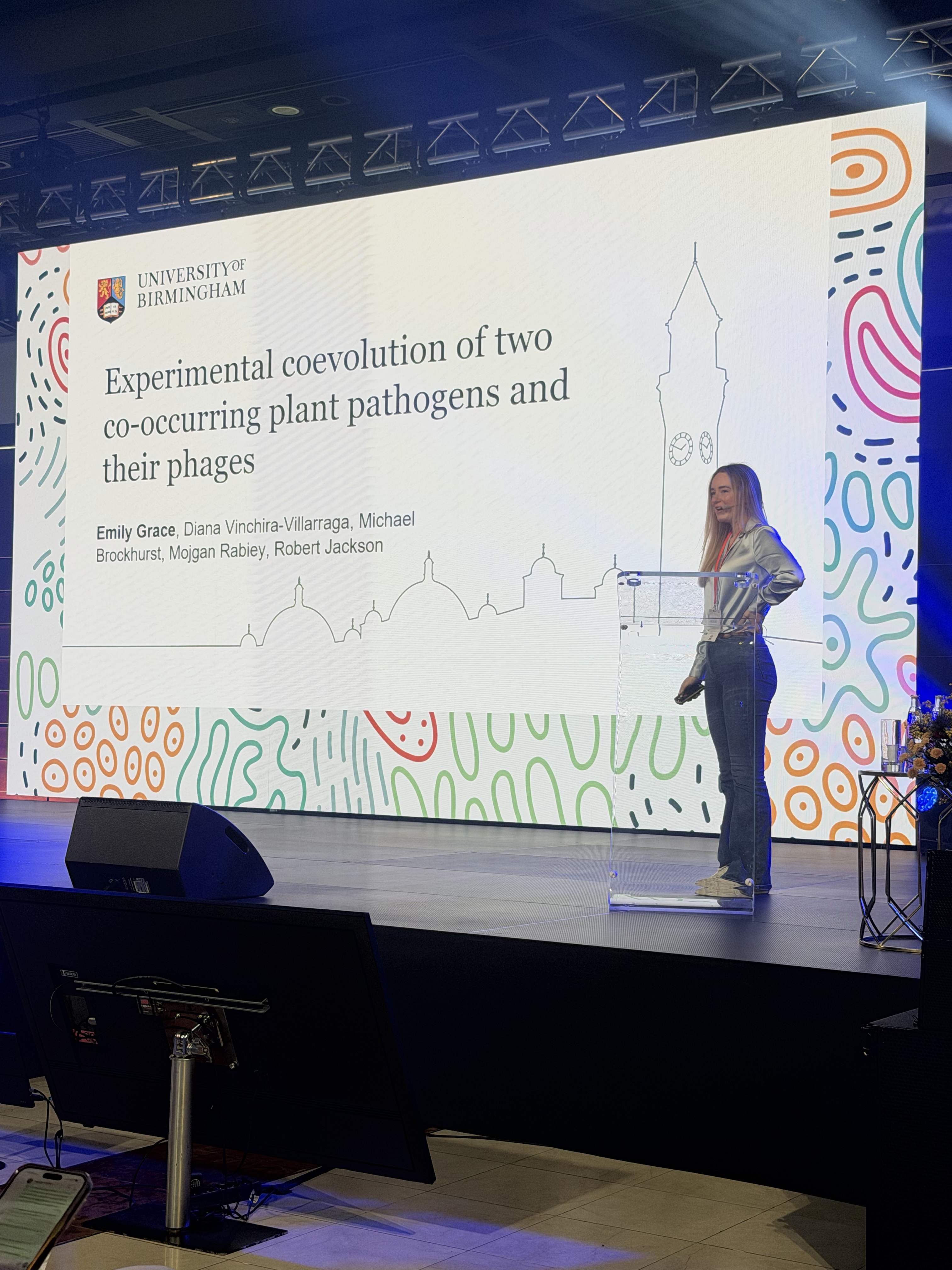
Post Doc Emily Grace presented her research on the experimental coevolution of two co-occurring plant pathogens and their phages. Her work demonstrated how phages can shape the evolutionary trajectories of multiple bacterial species simultaneously, highlighting the complexity of phage-driven adaptation beyond simple one phage–one host systems. It was a fascinating reminder that the evolutionary principles underpinning phage biology extend across diverse environments, from agricultural systems to human infections. The conference also celebrated some outstanding early-career research, and a huge congratulations goes to Emily Grace, who took home the Best Agricultural Oral Presentation award. Her engaging delivery and innovative research made for a well-deserved win. Congratulations, Emily!
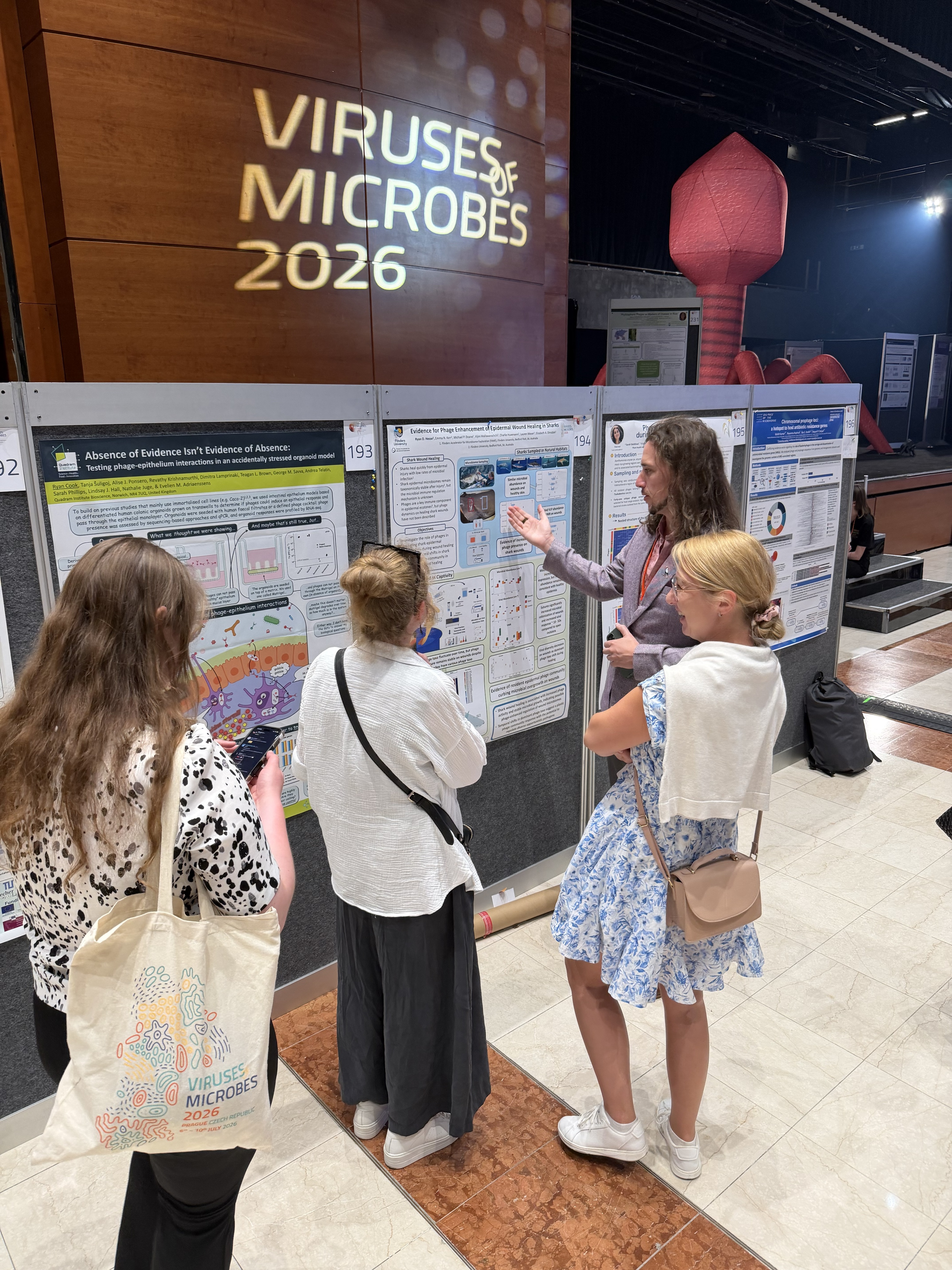
PhD student Ryan Hesse presented a poster exploring the interactions between phages and the epithelial barrier, using an experimentally stressed organoid model to better understand how phages behave within more physiologically relevant systems. His work examined the evidence for phage–epithelium interactions and highlighted the importance of moving beyond traditional laboratory models to investigate how phages may interact with human tissues.
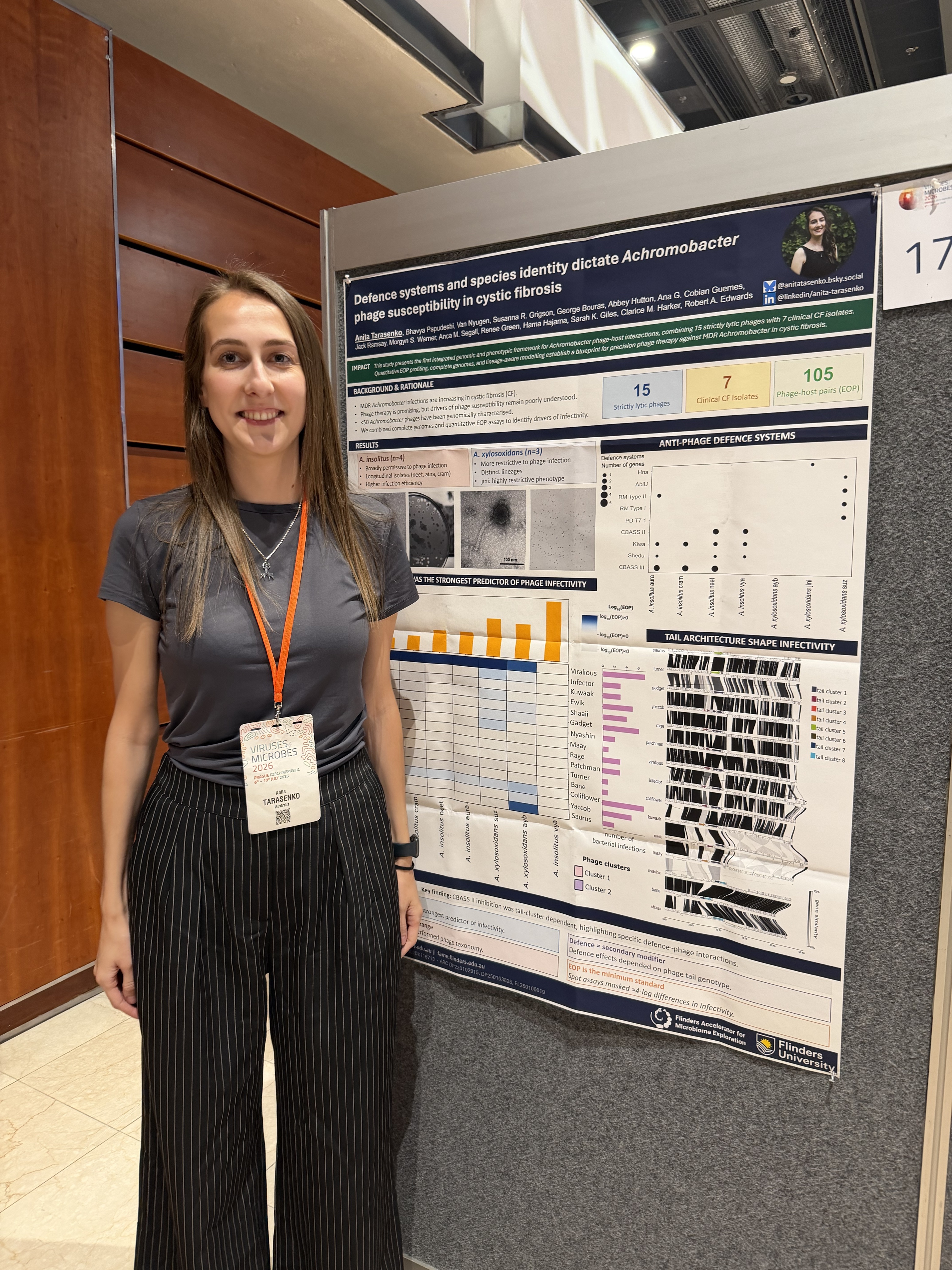
PhD student Anita Tarasenko presented a poster exploring how defence systems and bacterial species shape phage infectivity in Achromobacter isolates from people with cystic fibrosis. Using a collection of clinical isolates and lytic phages, the work investigated how bacterial defence mechanisms and phage tail architecture influence infection outcomes. The poster generated valuable discussions around phage–host interactions and the challenges of developing effective phage therapies for emerging multidrug-resistant pathogens.
Honours student Renee Green presented an exciting poster on PholdAPhage, a novel genome-informed approach to reconstructing phage particles one protein at a time. Combining bioinformatics and structural biology, the project aims to better understand how phage proteins fit together to form complete viral particles. The work generated plenty of interest throughout the poster session, highlighting the increasing importance of computational approaches in uncovering the hidden biology of phages.
Across the poster sessions, FAME researchers shared projects spanning phage biology, microbial genomics, bioinformatics, structural biology, and therapeutic applications, generating valuable conversations with collaborators and researchers from around the world.
Emerging Themes in Phage Research
One of the most exciting aspects of Viruses of Microbes is seeing where the field is heading. A recurring theme throughout this year’s conference was that phages are no longer viewed simply as viruses that kill bacteria. Researchers are increasingly exploring how phages shape bacterial evolution, influence microbial communities, and drive changes that can alter antibiotic susceptibility and virulence. There was also growing interest in understanding phage biology within complex microbial ecosystems rather than isolated laboratory cultures. These advances are helping move phage therapy closer to becoming a reliable clinical tool for combating antimicrobial resistance.
More Than Just a Conference
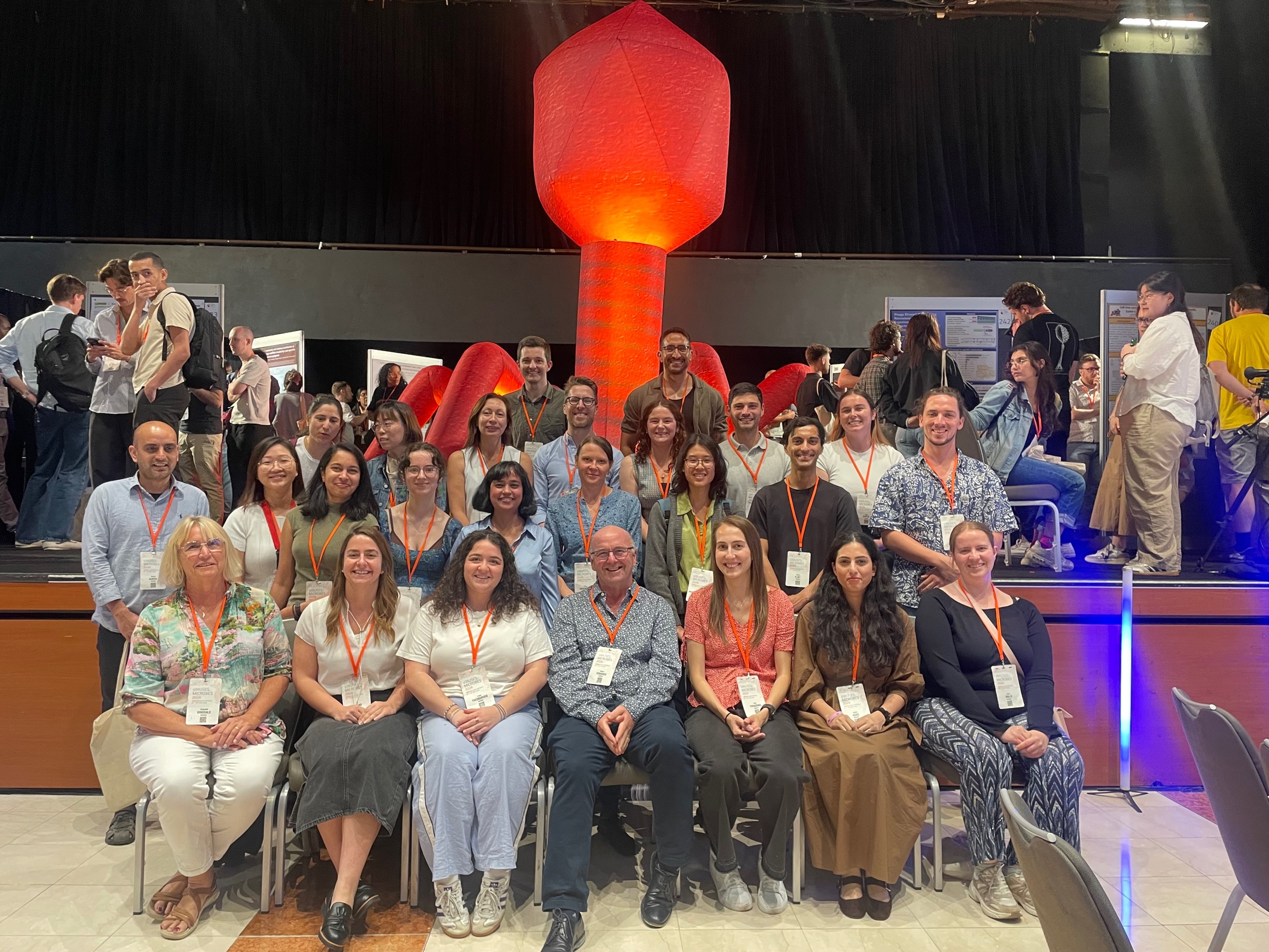
While science was exceptional, one of the greatest strengths of Viruses of Microbes continues to be its community. For many attendees, the conference was an opportunity to reconnect with collaborators, strengthen existing partnerships, and begin new ones. Discussions over coffee, poster sessions, and shared meals often proved just as valuable as the formal presentations, leading to new ideas and future collaborations. For early-career researchers, these opportunities are invaluable, providing not only scientific inspiration but also a chance to become part of a welcoming and collaborative international research community.
Behind the Scenes and Special Contributions
The FAME lab’s impact extended well beyond the lecture theatre. Prof Rob Edwards served on the Viruses of Microbes 2026 Scientific Program Committee, helping to shape the conference program and bring together an exciting lineup of speakers, and scientific sessions. His contributions ensured another outstanding meeting that fostered collaboration and innovation across the field of phage biology. We’re also excited to congratulate Rob on his appointment as the incoming President of the Scientific Program Committee, a role he will officially begin next year.
Beyond the Conference: Exploring Prague
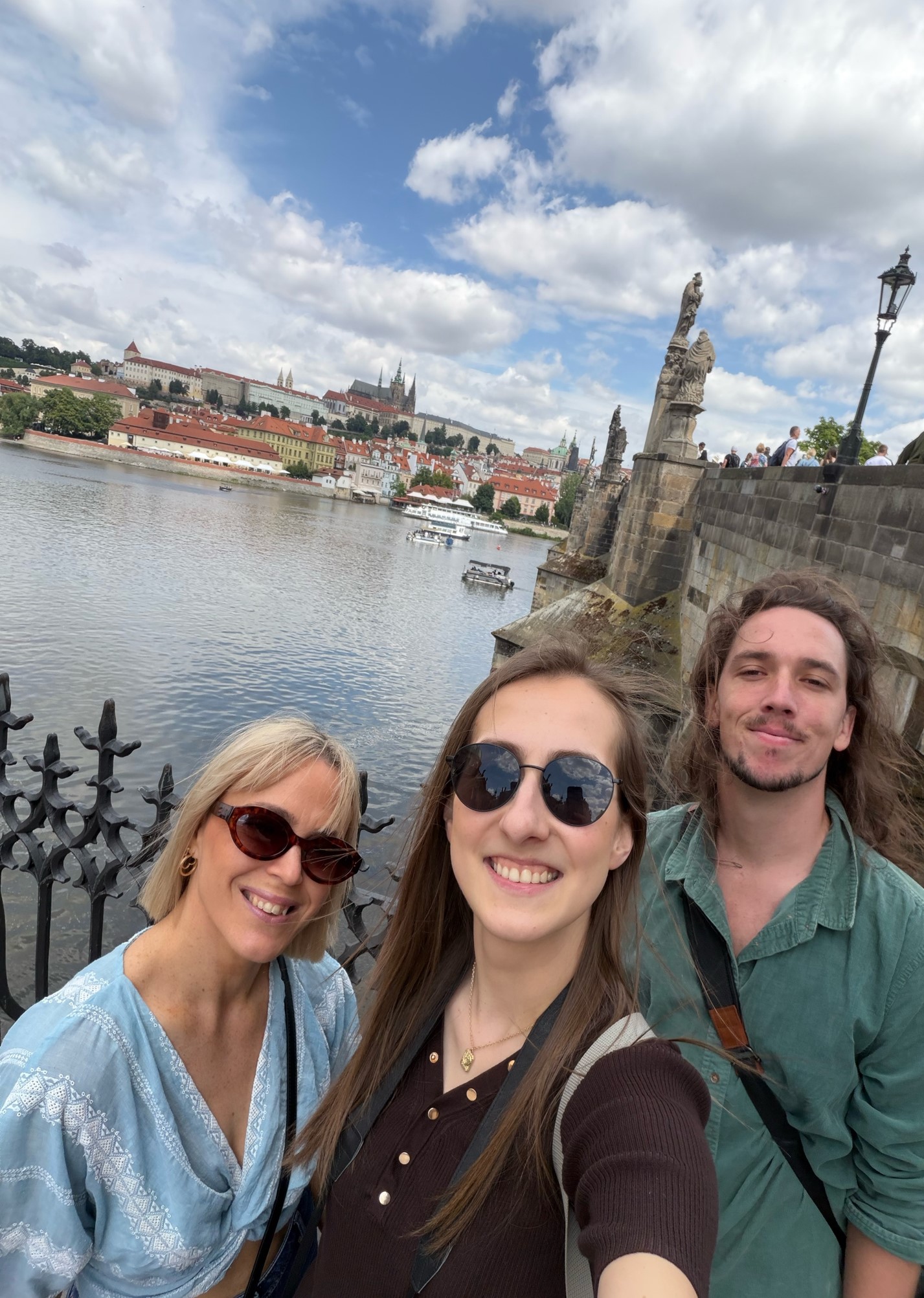
Although the conference was the highlight of the trip, many FAME lab members also took the opportunity to explore Europe before heading home. From the historic streets of Prague to adventures across neighbouring countries, the trip was filled with opportunities to experience new cultures, reconnect with friends and collaborators, and make memories beyond the lecture theatre. It was the perfect reminder that science not only brings people together through shared research, but also through shared experiences.
The 2026 Viruses of Microbes conference was an inspiring week of innovative science, meaningful collaboration, and lasting friendships. The FAME lab was proud to represent Flinders University on the international stage, contributing to conversations that are helping shape the future of phage research. We’re already looking forward to seeing where the next discoveries, and the next conference in France, Lyon, will take us.