FAME Lab takes the stage at ISME20 Auckland
ISME20 in Auckland NZ
In August, the FAME lab had the opportunity to travel to Auckland, New Zealand, for ISME20 — the 20th International Symposium on Microbial Ecology. Held from 16–21 August 2026, the conference brought together microbial ecologists from around the world to exchange ideas, share new research and discuss the future of this rapidly developing field.
This year’s meeting was particularly special. ISME20 marked a return to New Zealand, where the very first ISME symposium was held in 1977. Nearly five decades later, Auckland once again became a meeting point for an international community of scientists working across environmental, human and biotechnological microbiology.
Showcasing FAME Research
This year, FAME researchers presented a fantastic collection of talks and posters showcasing just how broad microbiome research can be.
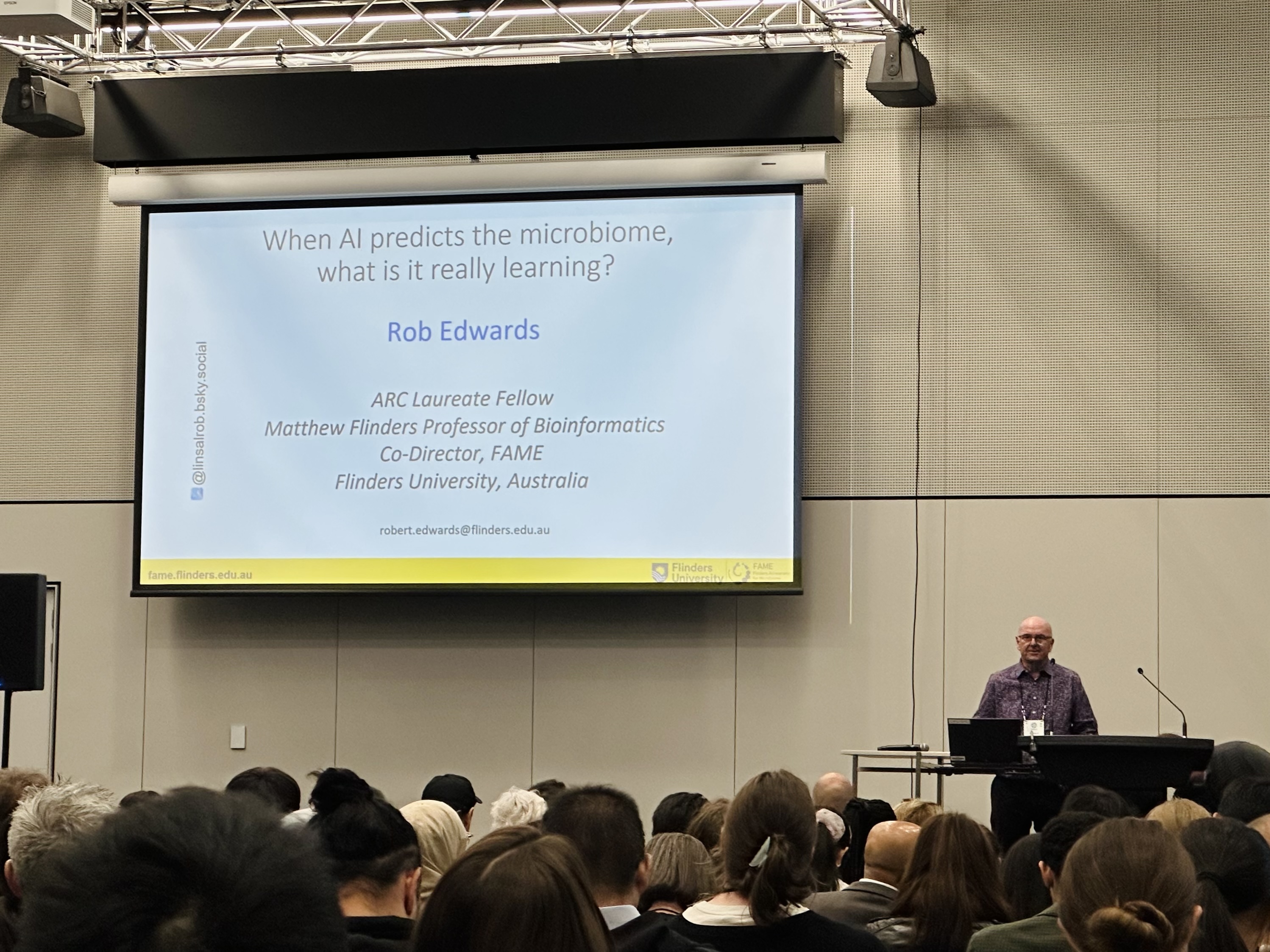
Prof Rob Edwards gave an invited talk titled “When AI predicts the microbiome, what is it really learning?” In the talk, Rob brought together several strands of FAME research to explore how artificial intelligence and computational approaches can be used to make sense of complex microbiome data. He discussed our work on cystic fibrosis metagenomes, including efforts to predict early microbial colonisation patterns, as well as approaches for recovering complete viral genomes from metagenomic data. He also highlighted how AI and protein structure prediction can be used to move beyond sequence alone, including reconstructing and modelling phage structural components. Together, the examples showed both the power and the challenges of using AI in microbiome research: not just asking whether a model can make an accurate prediction, but understanding what biological signal it is actually learning from the data.
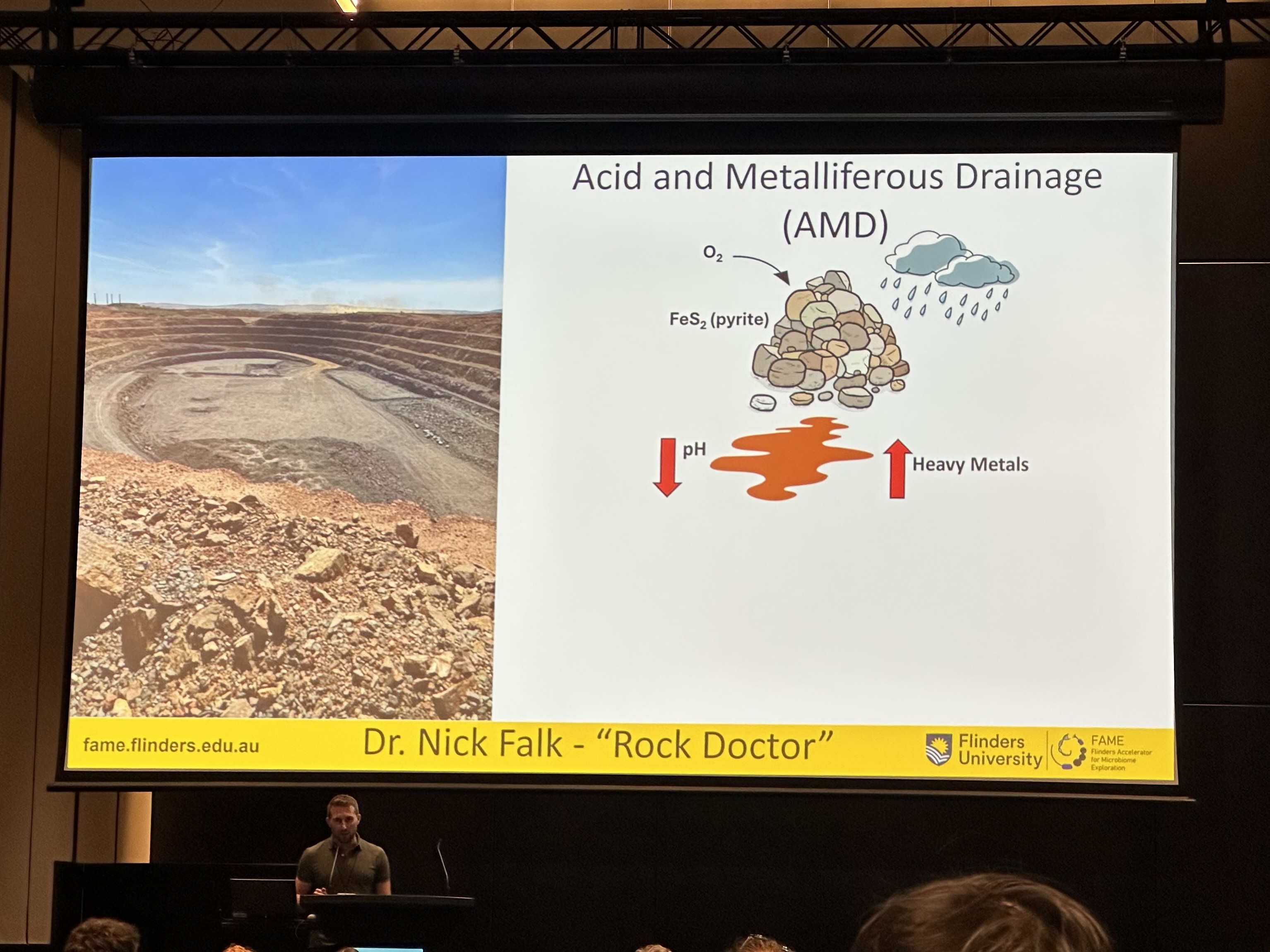
Postdoc Nick Falk (aka. Rock Doctor) presented his work titled “Reframing acid and metalliferous drainage prediction: incorporating microbial drivers into waste rock assessment”. Acid and metalliferous drainage is a major environmental challenge for the mining industry, and Nick’s research highlighted the important role that microorganisms can play in driving the reactions involved. By incorporating microbial activity alongside traditional geochemical measurements, his work showed how waste rock assessments could provide a more complete picture of how mine waste may behave over time, ultimately helping to improve predictions of environmental risk and inform better management strategies.
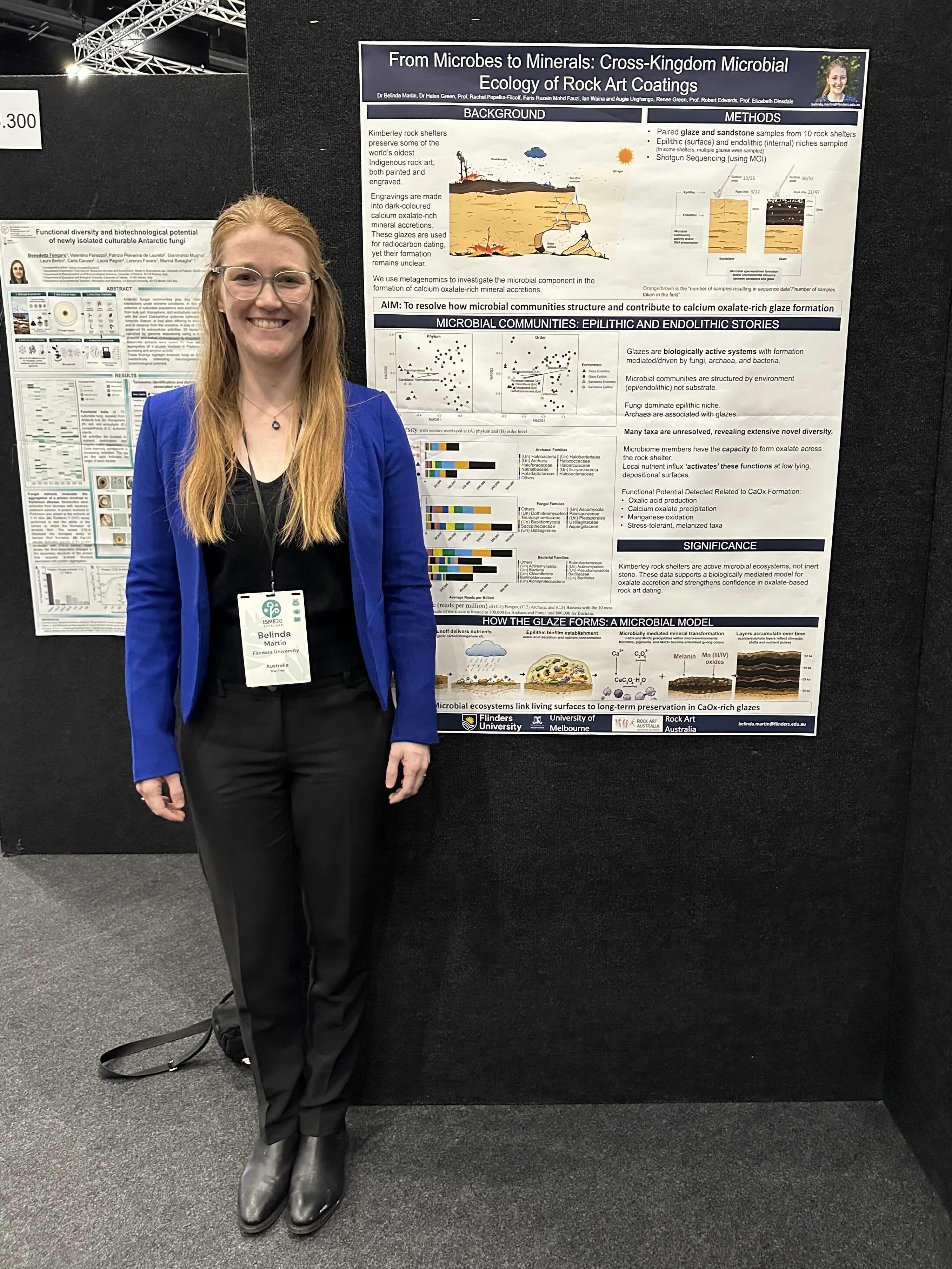
Postdoc Belinda presented her work on the microbiomes associated with the mineral coatings of Aboriginal rock art in the Kimberley region of Western Australia. Her research explored the microbial communities living within and on calcium oxalate-rich glazes that form over ancient rock surfaces, asking whether microbes may contribute to the formation of these mineral layers. By comparing epilithic and endolithic communities, Belinda showed that these coatings are biologically active ecosystems rather than inert stone, with bacteria, archaea and fungi potentially contributing to oxalate formation and long-term mineral accretion.
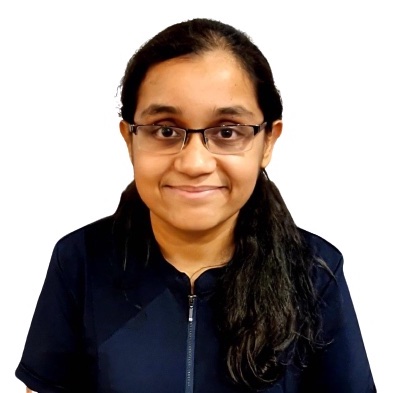
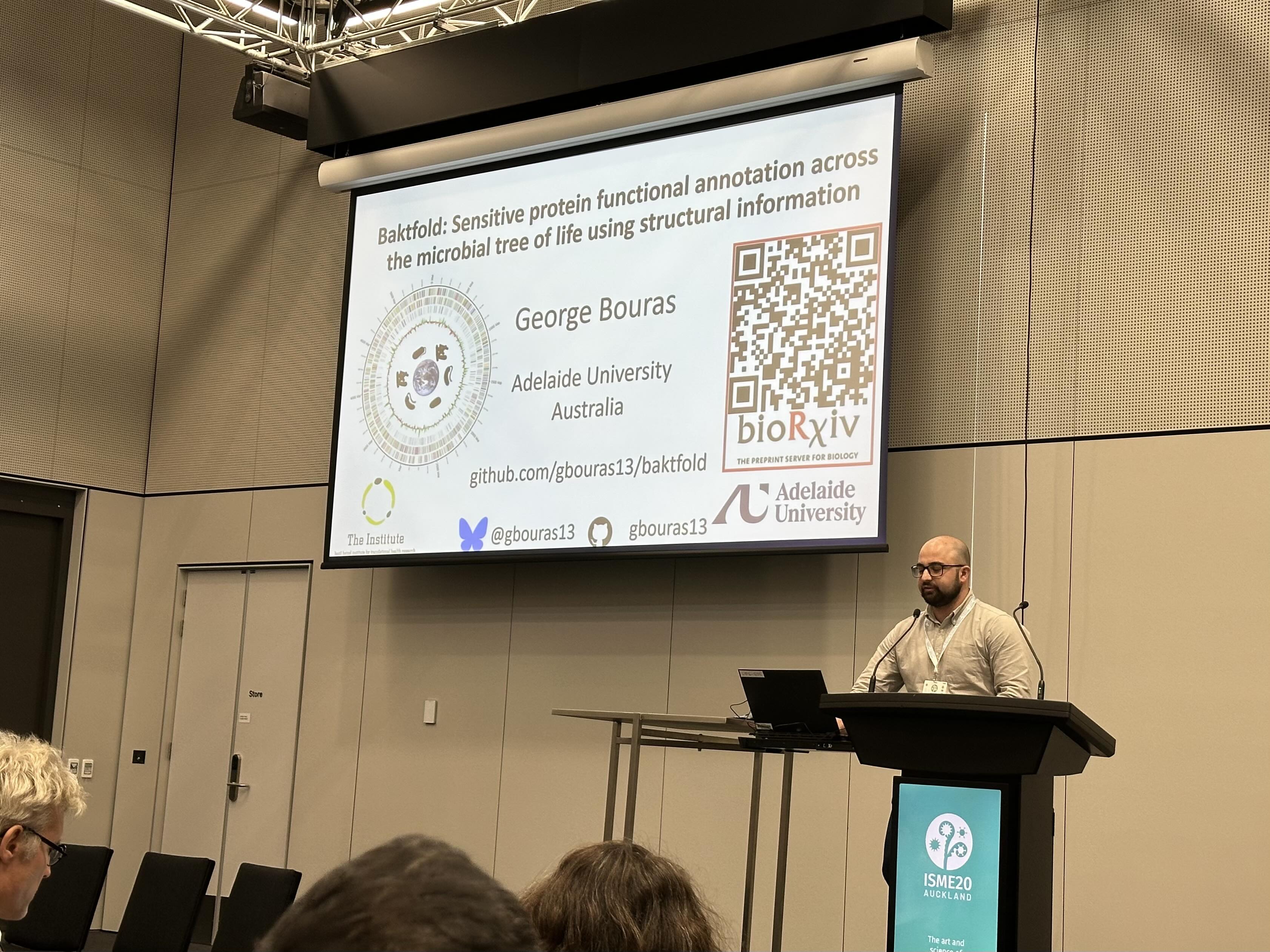
PhD student George presented his work “Baktfold: ultra-sensitive structure-informed functional annotation across the microbial tree of life”. George talked about how protein structure can be used to improve functional annotation, particularly for microbial proteins that are difficult to identify using sequence similarity alone. His work demonstrated how Baktfold can detect more distant relationships between proteins and help assign potential functions across diverse microbial lineages, providing a powerful way to uncover the roles of previously uncharacterised genes and proteins. The work provides new insight into how microbial processes may help shape and preserve these remarkable rock art surfaces over time.
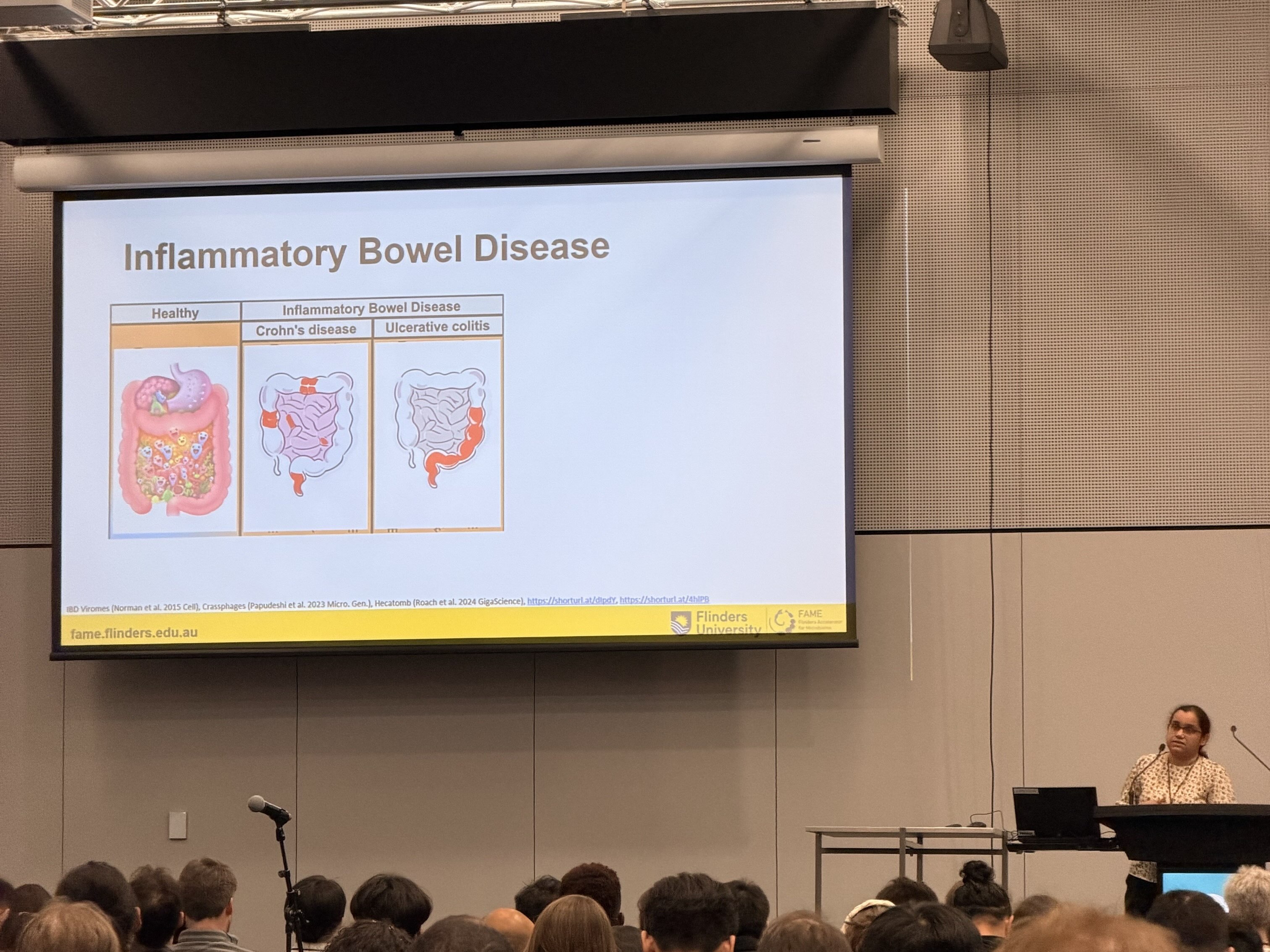
Postdoc Vijini presented her work on “Genome-resolved insights into viral ecology within microbial communities using Phables.” She showed how her bioinformatics tool, Phables, can recover complete phage genomes directly from metagenomic datasets, helping researchers move beyond fragmented viral sequences to better understand the diversity and ecology of bacteriophages within complex microbial communities. Vijini also presented a case study using Phables to investigate microviruses associated with inflammatory bowel disease, revealing household-specific variation among the recovered viral genomes. These findings highlight both the power of genome-resolved approaches for studying the often-overlooked viral component of the microbiome and the potential for highly personalised patterns in the human gut virome.
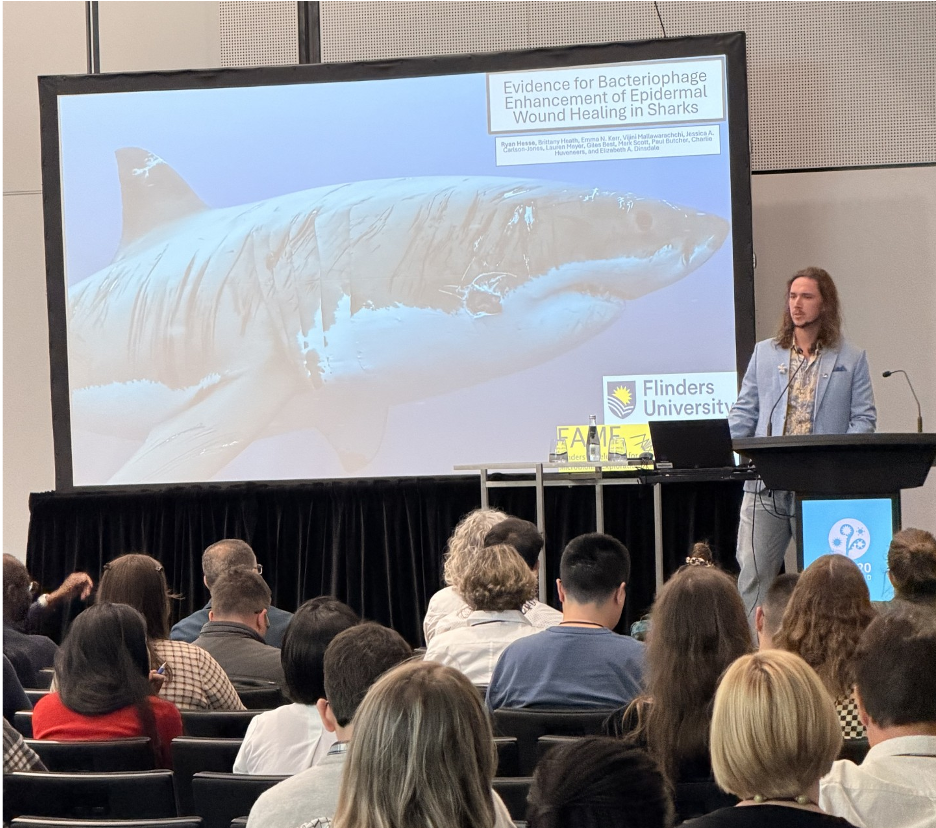
PhD student Ryan presented his work, “Bacteriophages may enhance epidermal wound healing in sharks.” Ryan explored how bacteriophages may influence the shark skin microbiome during wound healing, using longitudinal samples to track changes in both microbial and viral communities over time. His results showed that epidermal injury was associated with shifts in the skin virome, including changes in microbe-to-virus dynamics and specific phage taxa. Ryan also found evidence that phages may contribute to the wound-healing process by shaping bacterial communities and potentially targeting microbes that could interfere with recovery. Together, the work suggests that phages may play an important role alongside the shark immune system in supporting wound healing and maintaining a healthy skin microbiome after injury.
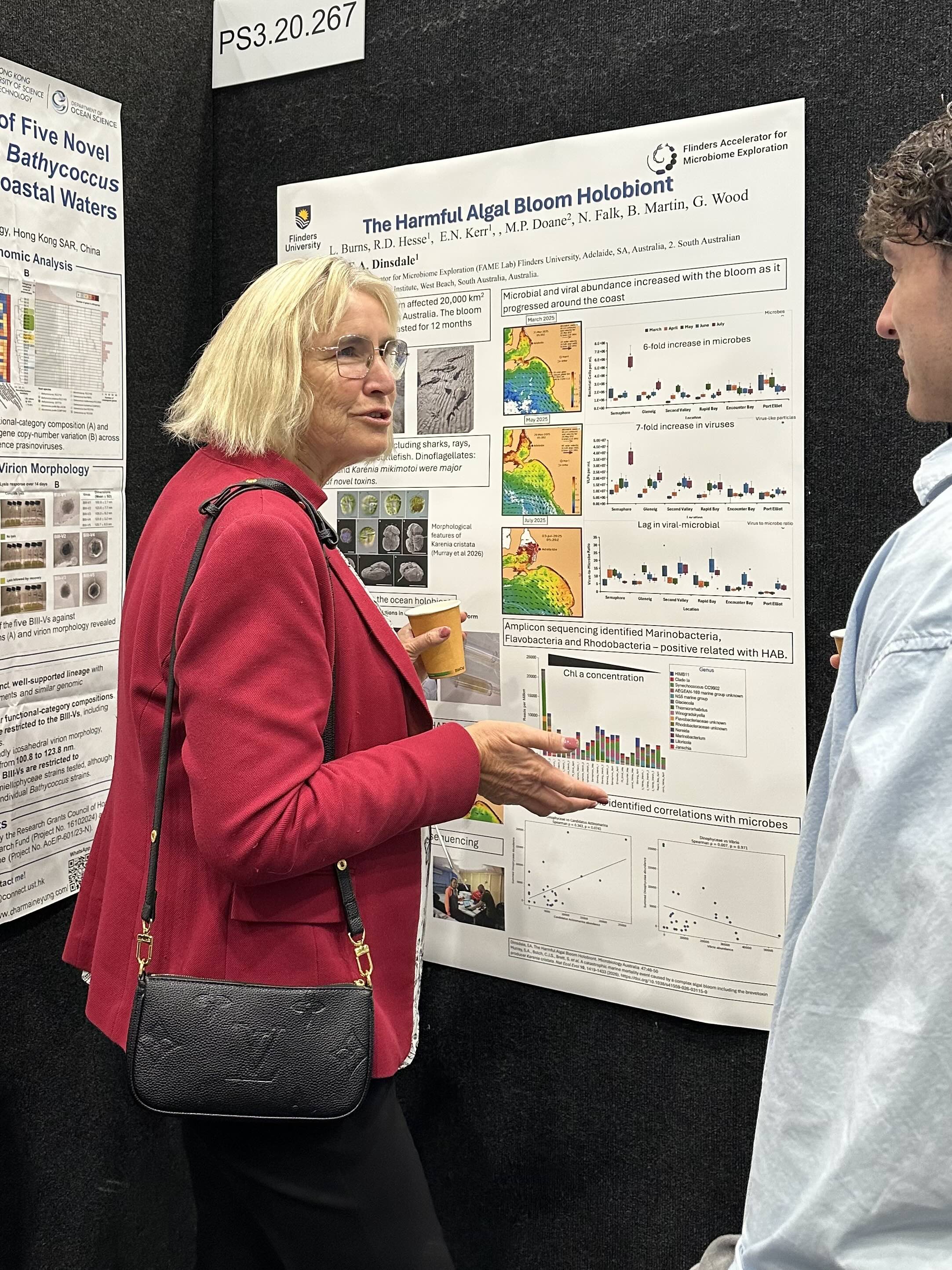
Prof Liz Dinsdale presented the poster “The Harmful Algal Bloom Holobiont,” exploring the microbial and viral communities associated with a major harmful algal bloom in South Australia. The bloom affected around 20,000 square kilometers of coastline and persisted for many months, with Karenia species among the dominant bloom-forming algae. Liz and the team showed that microbial and viral abundances increased as the bloom progressed around the coast, with some locations showing several-fold increases compared with earlier stages of the event. Amplicon sequencing also identified bacterial groups, including Marinobacteria, Flavobacteria and Rhodobacteria, that were positively associated with the bloom. Together, the work highlights harmful algal blooms as complex holobionts, where interactions between algae, bacteria and viruses may help shape bloom development, persistence and decline.
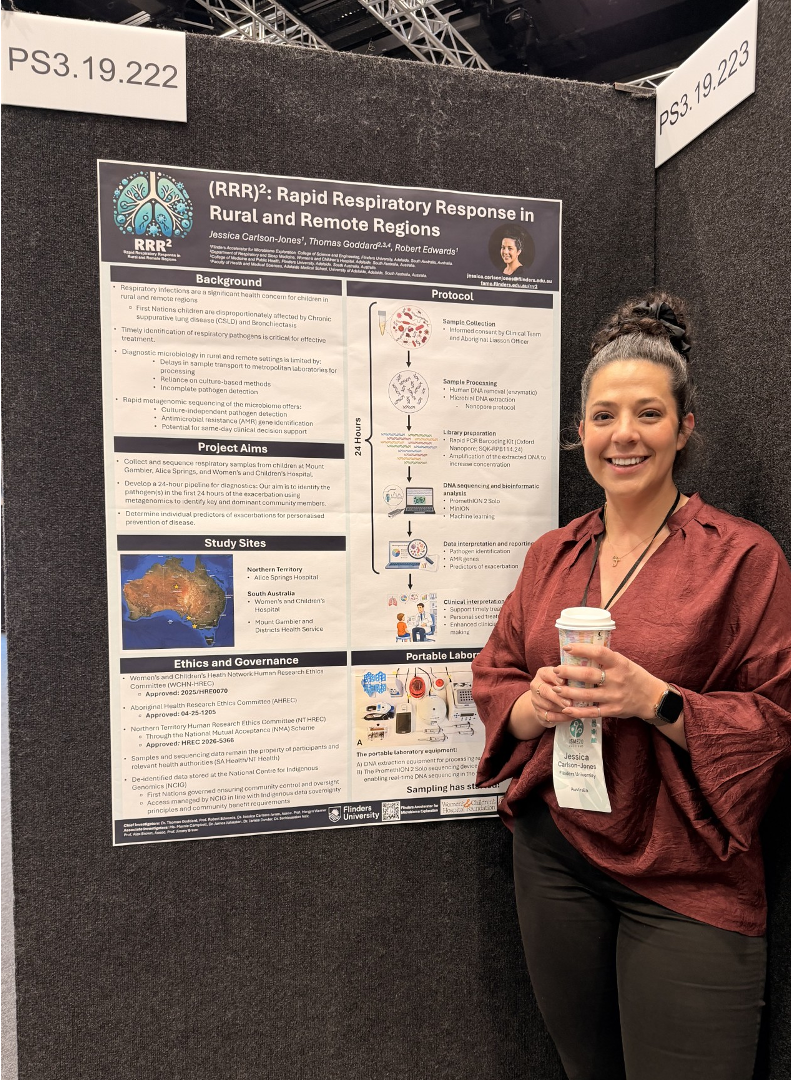
Postdoc Jessica presented her work on “Rapid Respiratory Response in Rural and Remote Regions,” a project focused on improving the diagnosis of respiratory infections in children living in rural and remote Australia. Respiratory infections can have particularly serious consequences for First Nations children, who are disproportionately affected by chronic suppurative lung disease and bronchiectasis, making rapid identification of the pathogens involved especially important. Jessica’s project is developing a portable, metagenomic sequencing workflow that uses Nanopore sequencing to identify respiratory pathogens and antimicrobial resistance genes within 24 hours of sample collection. By bringing rapid genomic diagnostics closer to patients, the team hopes to support faster, more informed treatment decisions and ultimately improve respiratory health outcomes for children in rural and remote communities.
More Than Just a Conference
As always, some of the most valuable parts of the conference happened outside the lecture theatres.
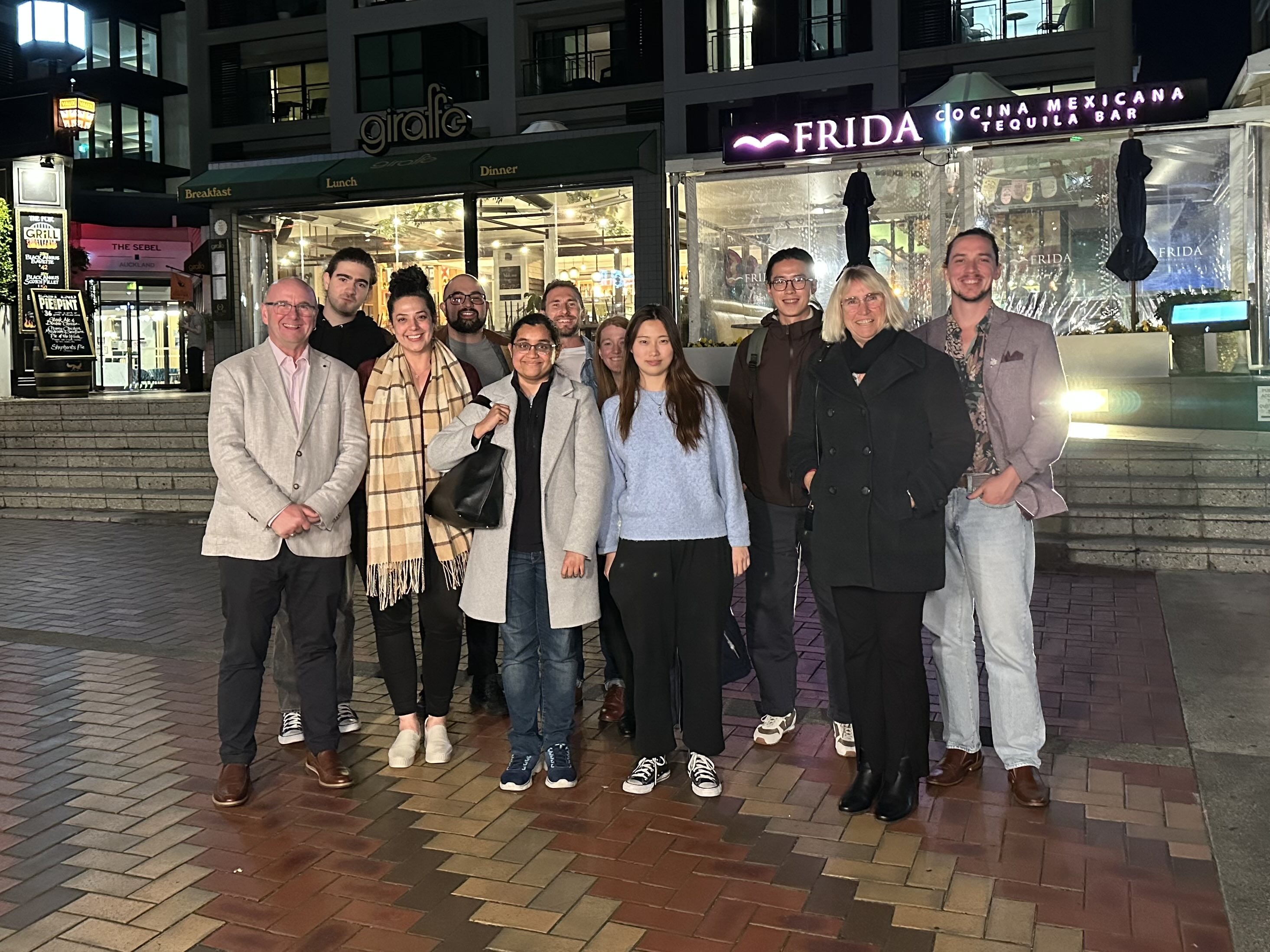
ISME20 provided the chance to catch up with collaborators and old friends, finally meet researchers whose papers we know well, and start new conversations over posters, coffee and dinners around Auckland. One highlight was our lab dinner with members of the Steinegger Lab, which was a great chance to relax, talk science in a less formal setting, and strengthen connections between our groups.
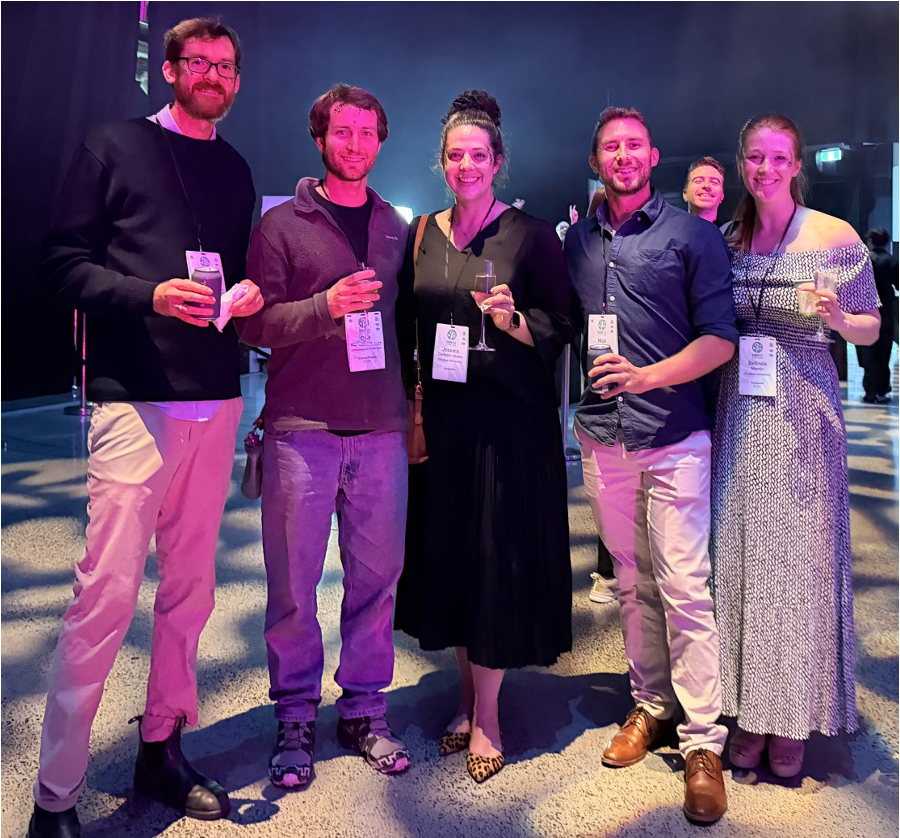
The ISME social event, held at the Viaduct Events Centre, was another memorable part of the week, bringing everyone together away from the conference program for an evening of food, drinks and catching up. For our students and early-career researchers in particular, these moments were just as valuable as the formal sessions, offering the chance to build networks, exchange ideas and feel part of the broader international microbial ecology community.
Exploring Auckland
Of course, travelling to New Zealand for a conference also meant finding some time to explore.
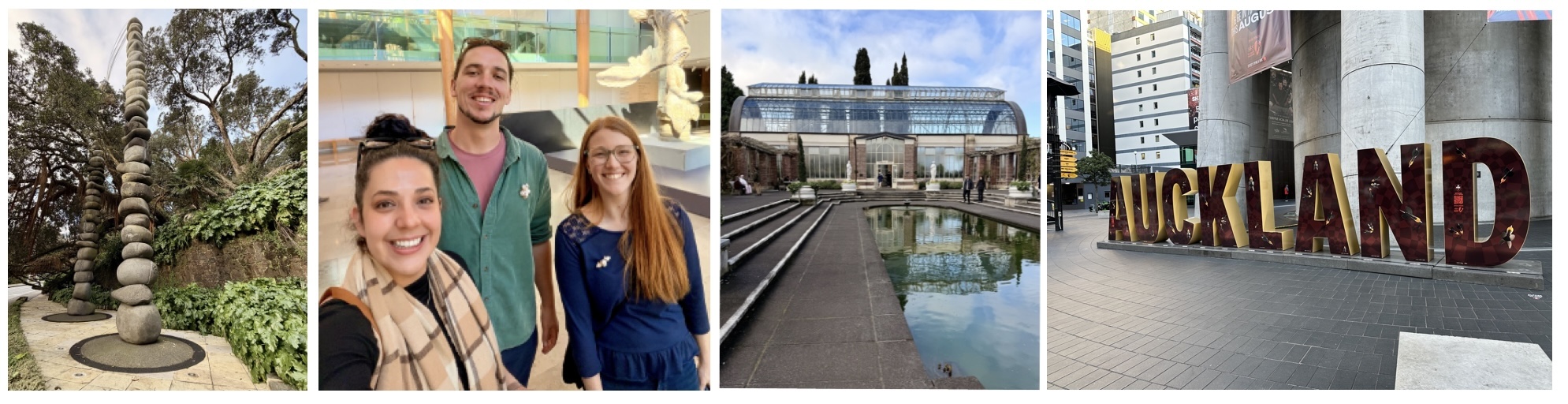
Between the packed scientific program, poster sessions and seemingly endless conversations about microbes, the FAME crew managed to experience a little of Auckland and its surroundings, making the most of having one of the world’s largest microbial ecology meetings right on Australia’s doorstep.
Until the Next ISME
ISME20 was an exciting week of new science, new ideas and new collaborations.
The FAME team was proud to showcase the breadth of microbiome research happening at Flinders University and contribute to conversations shaping the future of microbial ecology.
We came home with plenty of ideas, plenty of new connections and, inevitably, an even longer list of experiments and analyses to try.
Thanks Auckland, and thanks ISME20!