Discovery of novel phages with therapeutic applications
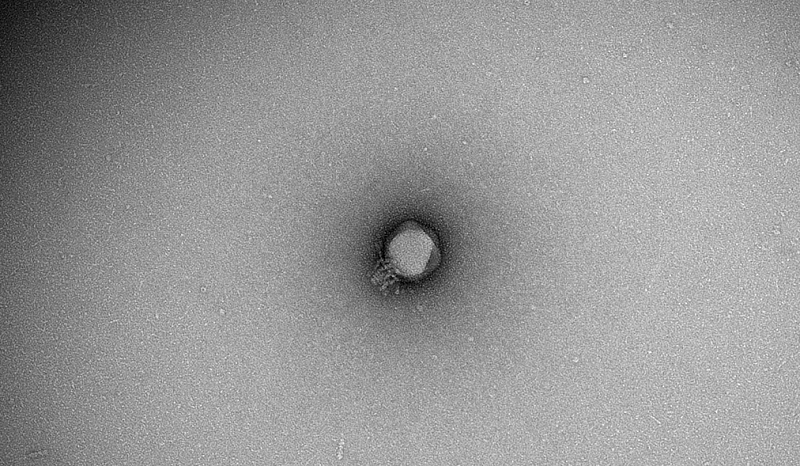
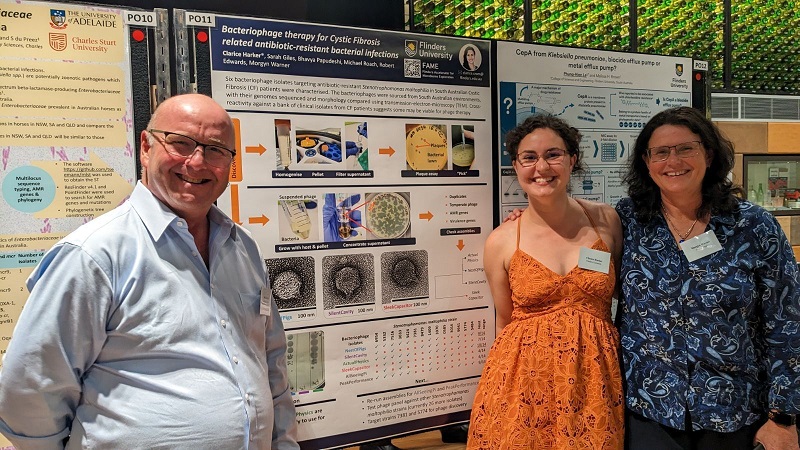
The FAME lab has developed collaborations with SA pathology, discovering new phage for Stenotrophomonas and Achromobacter strains infecting people with Cystic Fibrosis (CF). Our mission is to apply this newly discovered phage to patients across Australia, helping to alleviate the bacterial burden in their lungs and improve patient health and outcomes.
Our team includes Professor Robert Edwards, Dr Morgyn Warner, Dr, Sarah Giles, Clarice Harker, and Will Plewa. Our collection so far includes 54 bacterial strains from people with CF and ten newly identified phages currently being investigated for their potential in phage therapy.
Making Metagenomics Measurable
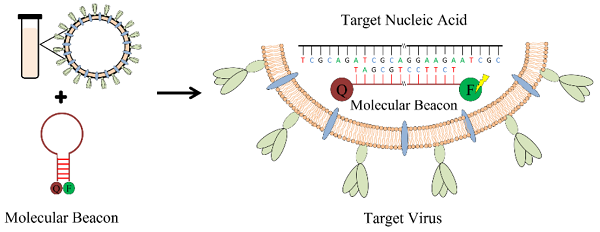
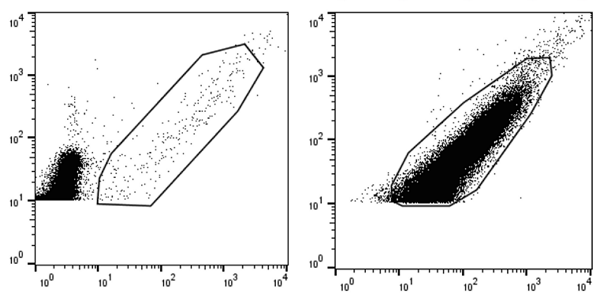
This project aims to revolutionize our view of the microbial world once more by transforming microbiome studies from relative counts of organisms to actual numbers of microbes. This project expects to impact all the microbiome studies that are being performed worldwide by unveiling the actual numbers of microbes. Expected outcomes of this project include new techniques to enumerate the number of bacteria in different environments and new approaches to measure gene expression within individual bacteria in any environment that will be demonstrated with complex microbial communities. This should provide significant benefits because microbes affect every aspect of our lives and those effects are driven by how many microbes are present.
Microbiomes of Cystic Fibrosis in South Australia
At FAME, we have established a collaborative partnership with respiratory physicians at the Women’s and Children’s Hospital and Royal Adelaide Hospital in South Australia generating microbial metagenomic profiles of people with Cystic Fibrosis.
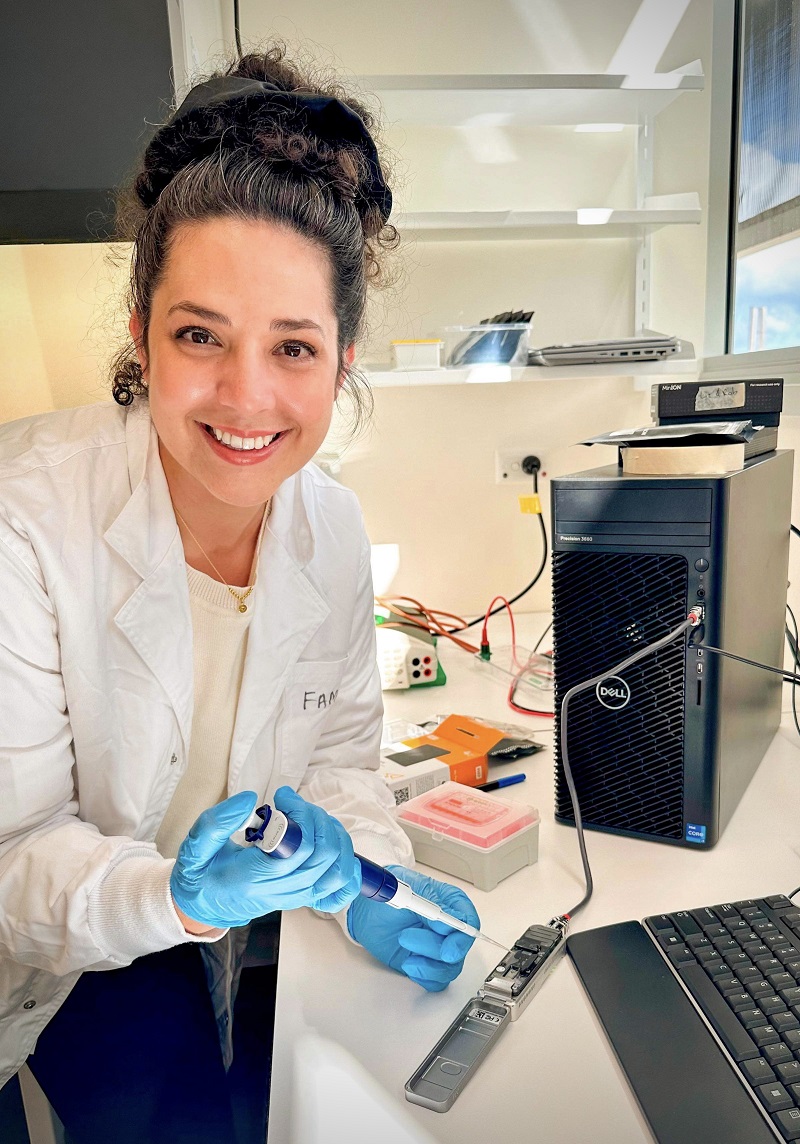
Our multidisciplinary team is committed to integrating microbiome research with clinical practice by utilising DNA sequencing and clinical data to investigate microbial communities’ role in disease progression. Together, we aim to contribute to developing more personalised and effective interventions to improve the lives of those affected by cystic fibrosis and other respiratory-related conditions.
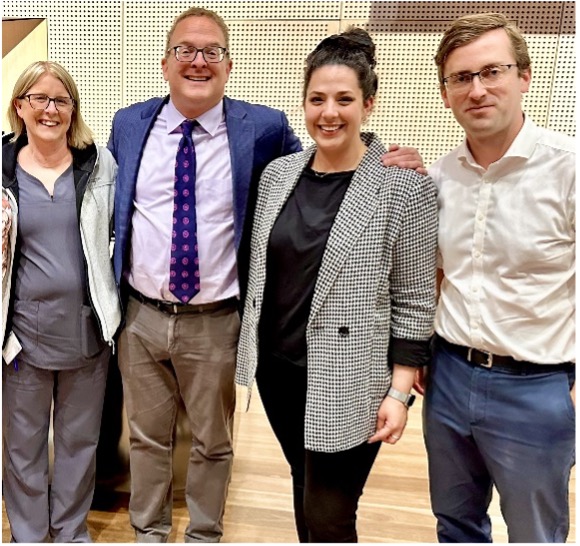
From Left to Right: Dr Jude Morton (RAH), Associate Professor Jon Koff (Yale School of Medicine), Dr Jessica Carlson-Jones (Flinders) and Dr Tom Goddard (WCH and FMC).
RRR2: Rapid Respiratory Response in Rural and Remote Regions
Respiratory infections are a major health concern for children living in rural and remote communities across Australia, particularly among First Nations children, who experience some of the highest rates of bronchiectasis worldwide. This chronic lung condition is characterised by persistent airway inflammation and recurrent infections, which can lead to long-term respiratory impairment if not managed effectively. Current microbiological diagnostic approaches can be slow and may fail to detect important pathogens, including viruses, fungi, and mycobacteria. This can limit the information available to guide treatment decisions.
To overcome these challenges, the RRR2 project is developing a portable, DNA sequencing-based diagnostic pipeline capable of identifying bacteria and viruses within 24 hours. This rapid microbiome-informed approach is being tailored for use in communities with limited access to laboratory services, such as Alice Springs and Mt Gambier, enabling more timely and targeted treatment.
By delivering faster and more accurate diagnostic results, this project aims to reduce the need for children to travel long distances for care, avoid delays in treatment, and ultimately improve respiratory health outcomes for children in remote and underserved regions.
This research is funded by the Women’s & Children’s Hospital Foundation Bloom Research Grant.
For more information on the project, including updates and progress, please visit the RRR2 project page.
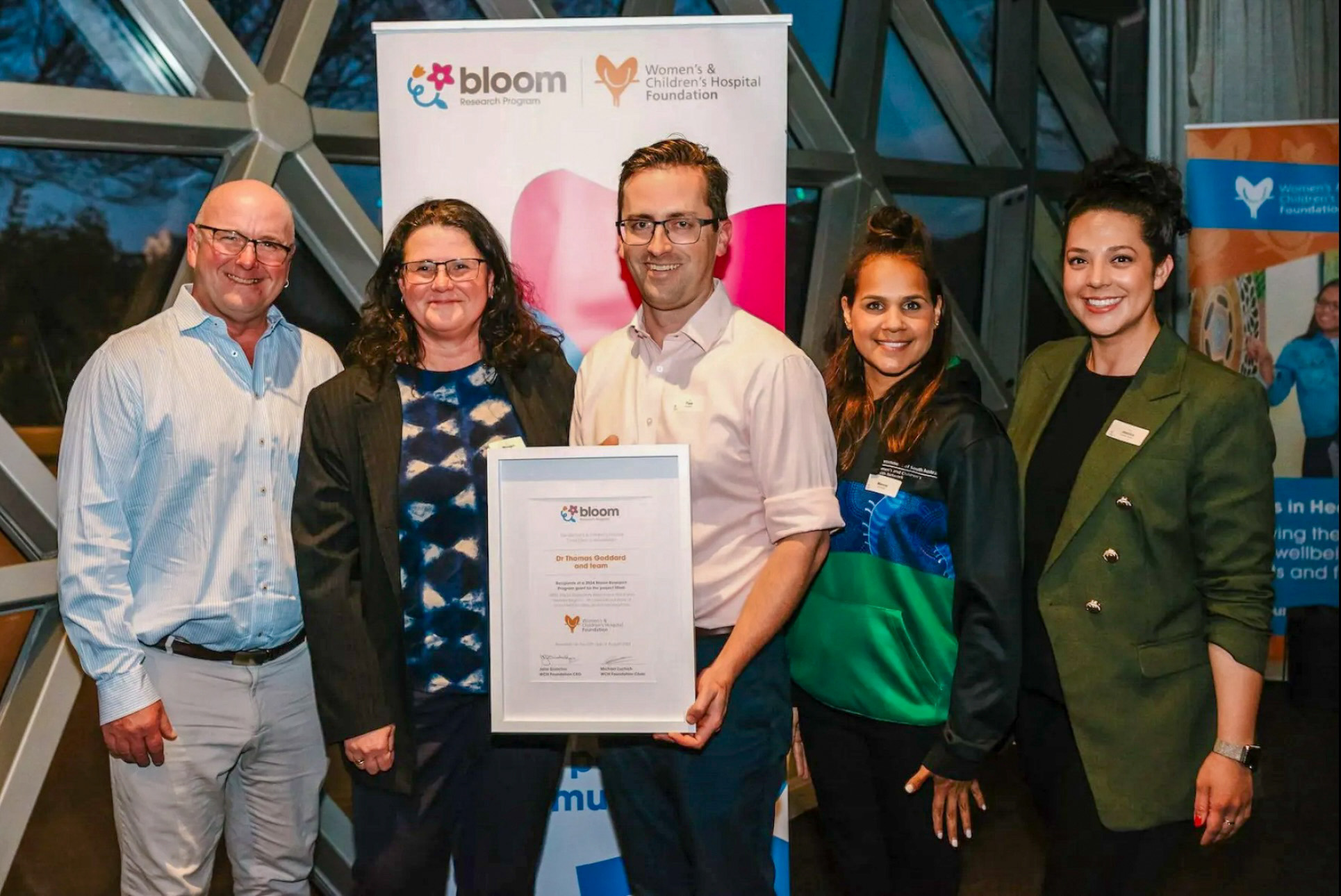
Photo credit: InDaily South Australia
Viruses & Inflammatory Bowel Disease
FAME is part of a large international consortium with Addenbrookes Hospital, Cambridge, UK, San Diego State University, California, USA, and Washington University, St. Louis, USA. NIH NIDDK RC2DK116713 funds this project.
This consortium aims to investigate the microbiome’s role in Inflammatory Bowel Disease (IBD), specifically Crohn’s Disease (CD) and Ulcerative Colitis (UC). The consortium has sequenced and analysed hundreds of samples from healthy and IBD case individuals. FAME’s role is to identify and investigate the bacteriophages associated with CD and UC, and to contribute to the development of a specialised pipeline for classifying viral and phage sequences from metagenomic samples.
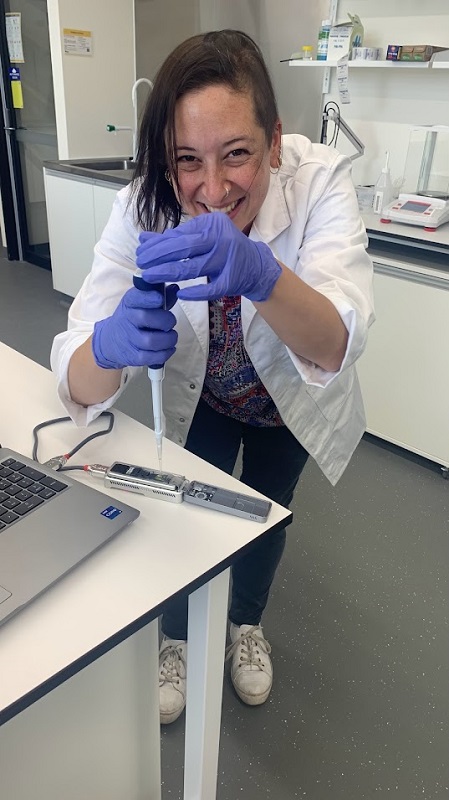
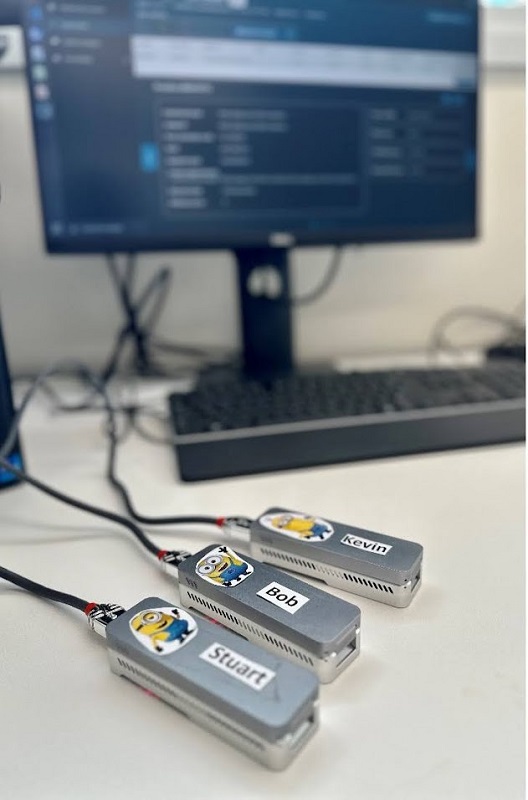
Bacteroides phages
Bacteroides are the most common bacteria in the human gut, and they degrade many complex polysaccharides. The abundance of Bacteroides in the gut is shaped by the phages that infect and kill them. In response, bacteria alter their cell wall composition to limit phage infectivity. We have isolated and sequenced three Bacteroides isolates and 30 phages that infect them. The bacterial genomes reflect the availability of sugars in the human gut. Bacteriophages demonstrate different approaches to overcoming bacterial defences.